
Color Mixing Techniques for Bright and Lively Paintings Color and Painting: A Match Made in Heaven
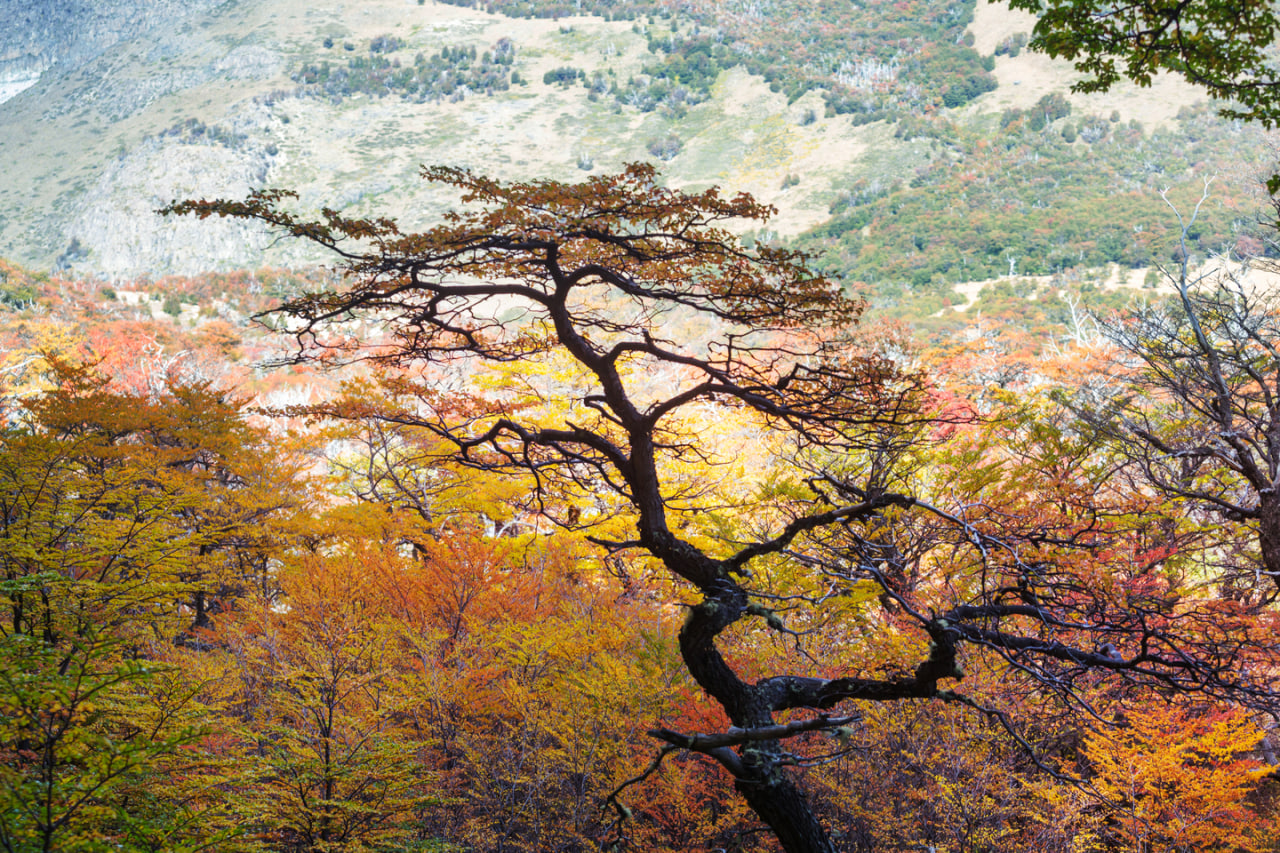
Color is the most powerful tool in the painter’s toolbox. Color establishes the atmosphere, expresses emotion, describes the form and directs the viewer’s attention. In order to paint with emotion, confidence and excitement, it is necessary to understand color relationships and learn to mix colors. When the artist knows how to mix colors, he or she can orchestrate color harmony, create contrast and establish depth, and thereby impose a sense of life on the basic geometric forms.
Color Theory 101: The Basics
So, what do you need to know before you start mixing colors? Well, you need to know the basic color theory.
Color Theory 101
Red, blue and yellow. These are your primary colors and you cannot make them by mixing other colors together. They are the base of every color.
SECONDARY COLORS are created when you combine any two primary colors. Blue and yellow make green, red and yellow make orange, and red and blue make purple. Adding secondary colors to your palette of primary colors gives you more options and diversity when mixing colors.
Tertiary Colors: If you mix a primary color with a secondary color, you will get a tertiary color. So, if you mixed red with orange, you would get red orange. Tertiary colors give you some more shading, high lights, and color gradations.
Complementary colors are pairs of colors which are directly opposite one another on the color wheel, such as red and green or blue and orange. These color combinations create high contrast and can be used to draw attention to a particular element or to create visual interest.
Analogous Colors Colors that sit next to each other on the color wheel, such as blue, blue-green, and green, create a harmonious and cohesive visual effect.
The Color Mixing Techniques
The key to colour mixing is to understand, and to have had a lot of practice.
Layer and glaze: Using thin layers of paint to build up a colour will help you achieve it. Layering allows for slight colour variation, and can give a sense of depth and glow. Glazing over dry layers with transparent paint will give depth and glow.
To mix colors on a palette: Use this method when you want to mix a color to a specific shade and then paint with it. Add a small amount of each paint to the palette. It’s always better to mix small amounts of paint at a time and add more as needed than to mix too much paint and throw some away. Use a brush to mix a sample stroke.
Wet-on-Wet Mixing: When you mix your paint right on the canvas, as the paint is still wet, you can create very soft transitions between colors. This is often used for painting skies, water, and also soft fabrics.
Color Adjustments Adding white to a color makes it lighter, adding black makes it darker, and adding gray can tone down a color that’s too bright. These simple adjustments can help you get the desired color.
Adding Pops of Color With Contrasting Hues
If you look at colorful paintings, they use contrast to create the colors.
Warm vs Cool Colors. Reds, oranges and yellows come forward. Blues, greens and purples go back. This contrast adds depth and variation.
Complementary Contrast The juxtaposition of two complementary colors makes both colors appear brighter. A red bloom will appear more colorful against a green leaf than against a dull gray rock.
Light and Shadow
Light and shadows effect the way we see color. Altering the tonal values can create deeper, more dimensional color.
Introduction to Color Mixing
Start Simple
Concentrate on a few colors at a time. It is easier to learn how these colors play with each other before trying to mix complicated colors.
Test Before Applying
Make sure you test your mixed color on a piece of scrap or palette paper to see that it is correct before applying it to your painting. Otherwise, you will be in for a surprise!
Maintain a Color Journal – Keep track of colors that work together, the proportions you used, etc. This will be useful for the next time you need to match a color and will help you establish a uniformity.
Observe Nature: Pay attention to natural light, shadow, and color value relationships. Nature has the most subtle changes in values, undertones, and color combinations that you can learn from.
Be Patient
The more you practice mixing colors, the more comfortable you will become. Try using bold combinations, slight variations, and surprising pairings to broaden your color horizons.